

Eye Exam Success Story: How an Annual Exam Caught a Serious Condition
An eye exam success story from The Villages: how a yearly exam caught a serious eye condition early, plus 5 simple tips to protect your own vision.
Identifying vision problems early makes them easier to treat. See how a complete eye exam at Hindsight Eye Care near Wildwood helps. Book now.
By HindSight Eye CareEye Exams
Medical review pending Updated
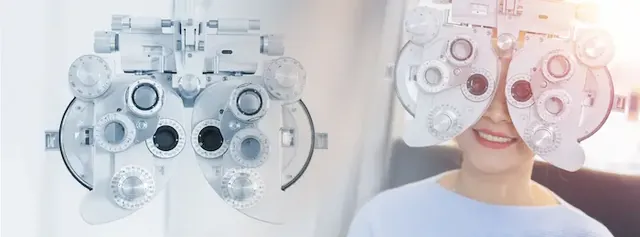
Identifying vision problems early gives you the best chance to protect your eyes for the long run. Many eye conditions start without pain or blur, so you may not notice them. A complete eye exam at Hindsight Eye Care can find those changes while they are often easier to treat.
Early detection can lead to better treatment and often stops further loss of sight.
Glaucoma, macular degeneration and cataracts respond best when we catch them early. That keeps you reading, driving and playing the games you enjoy.
Your eyes also reflect your overall health. Vision changes can be linked to diabetes, high blood pressure and nerve disorders, so when we find a problem, we can work with your other doctors to look for the cause.
Our complete eye exam covers a wide range of tests. During your visit, we check:
Your near and distance vision
Your side vision and depth perception
The health of the inside of your eye, including the cornea, lens, and retina
Digital imaging and computer-based tests show us small changes in the structure and function of your eye.
We can then act before a problem grows. See our page on dilated eye exams as well.
Identifying vision problems is one part of good care. We also ask about your general health, any medical conditions and the medicines you take.
Some of these can affect your sight. When it helps, we share findings with your primary care doctor.
If you need glasses or contacts, we can fit you for eyeglasses or contact lenses. If you need more care, we walk you through your options.
Your risk of cataracts, glaucoma and macular degeneration rises with age. Our exams for older adults focus on the problems that show up most later in life.
Read about glaucoma screening and cataracts for adults. If you have diabetes, plan on a diabetic eye exam as well.
Patients who understand their results make better choices. We explain what we find, which options you have and why follow-up visits matter, and you decide each step with us.
How often should I schedule an eye exam? It depends on your age, your health, and any eye conditions. Most people need a complete exam every 1 to 2 years.
Which vision problems can an exam find? An exam can find nearsightedness, farsightedness, astigmatism, cataracts, glaucoma, macular degeneration, and diabetic retinopathy.
How can I prepare for my visit? Bring a list of your medicines, your medical history, and any vision concerns.
That helps us give you personal care. See more on preparing for your eye exam.
Ready to start? Book your eye exam today.
Written and published by HindSight Eye Care on January 29, 2025. This article is general information, not medical advice. Please talk with your eye doctor about your own care.
Want to know more? These independent eye health groups explain the topics on this page, starting with National Eye Institute. Each link opens in a new tab.
Eye Exam Success Story: How an Annual Exam Caught a Serious Condition
An eye exam success story from The Villages: how a yearly exam caught a serious eye condition early, plus 5 simple tips to protect your own vision.
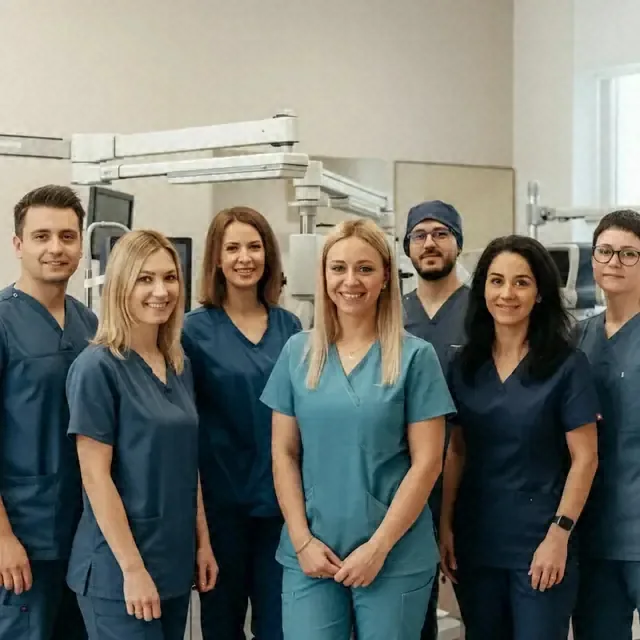
Meet Our Eye Care Team: Compassionate Eye Doctors Near You
Eye care team in The Villages: meet Dr. James Russell, OD and our licensed opticians at Hindsight Eye Care. Learn who will care for you, then book an exam.

Choosing an Eye Doctor in The Villages, FL: What to Look For
Choosing an eye doctor in The Villages, FL? Use these 7 tips on credentials, services, technology, reviews, insurance and location, then book your exam.
Make time for your eyes. We’ll make you feel right at home.
Request an eye examOr call (352) 399-5412
Accessibility