
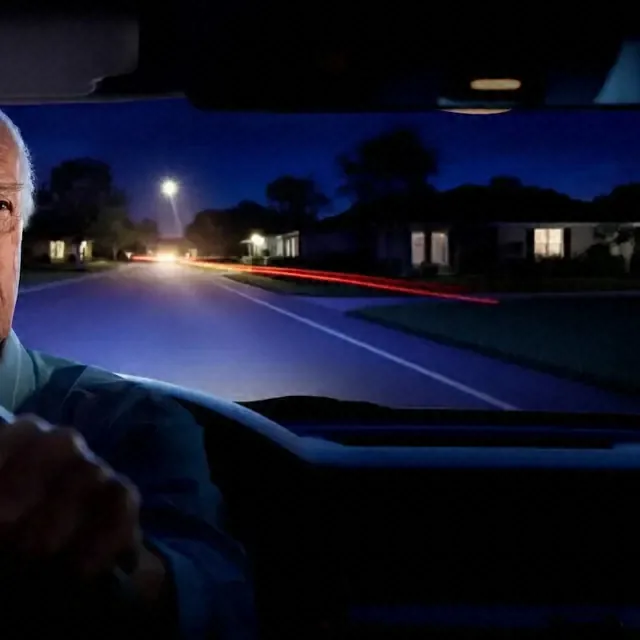
Night Vision Problems: Why They Get Worse with Age and What You Can Do
Night vision problems often get worse with age. Learn 4 common causes, from cataracts to dry eyes, and simple steps to see better after dark.
Glaucoma screening in The Villages: who is at risk after 60, what happens during a screening and how often to go. Book your simple exam today.
By HindSight Eye CareEye ExamsEye HealthSenior Eye Care
Medical review pending Updated
A glaucoma screening can find damage to your eye before you notice any change in your sight. Glaucoma is one of the leading causes of blindness in people over 60.
People call it the “silent thief of sight” because it usually causes no symptoms until the damage is serious. A regular check catches it while your vision can still be protected.
Glaucoma is a group of eye diseases that damage the optic nerve. This nerve carries signals from your eye to your brain.
High pressure inside the eye, called intraocular pressure, is often behind the damage. Once the nerve is harmed, you can lose vision.
Glaucoma comes in two main types:
Anyone can get glaucoma, and the risk climbs with age. After 60, age is your biggest risk factor. Other common risk factors include:
Family history: If a close relative has glaucoma, your chances of getting it rise.
Race or ethnicity: African Americans, Hispanics, and Asians are at higher risk.
Other health conditions: Diabetes, heart disease, and high blood pressure can raise the risk.
High eye pressure: This is often the root cause, and only a test can find it.
Early glaucoma gives no warning. You could lose a large share of your side vision before you notice, and that vision does not come back.
Golf, reading and evenings out in The Villages all get harder as it advances. A regular glaucoma screening is how you stay ahead of it.
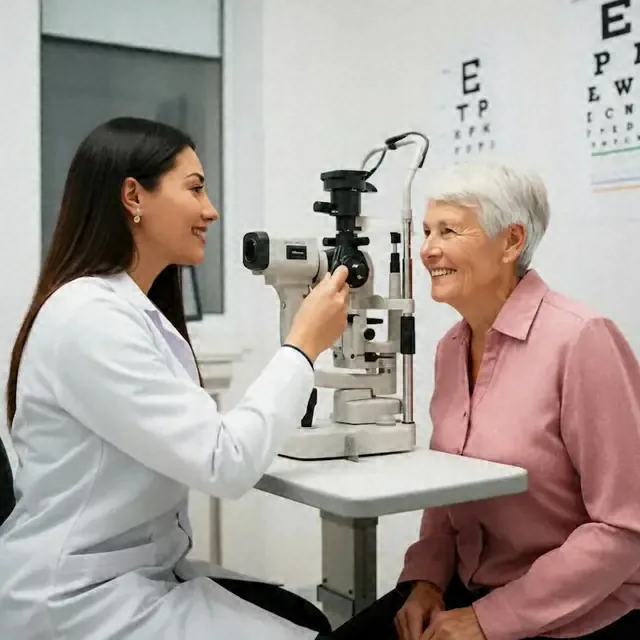
Tonometry measures your eye pressure and helps us catch problems early. From there, we can manage the disease and help prevent more damage.
Your optometrist uses a few quick, painless tests to check your eyes:
Tonometry: This measures the pressure inside your eye. It is simple and quick.
Visual field test: A tool like perimetry looks for any area where you have lost vision.
Ophthalmoscopy: Your optometrist uses light and a magnifier to look at the optic nerve for early signs of damage.
These tests can pick up small changes in pressure and vision long before you feel anything.
You may tee off on the courses here, go to events or play pickleball with friends. Each of those needs good vision, and so does a stroll through Spanish Springs Town Square. A regular eye exam helps you keep that independence.
The American Academy of Ophthalmology recommends that adults over 60 have a complete eye exam every year or two. If you have diabetes or a family history of glaucoma, your doctor may ask you to come in more often. See senior eye exam frequency in our guide.
Booking with Hindsight Eye Care takes a minute. Book your glaucoma screening today.
Keep an eye out for these other common conditions as you age:
Cataracts develop slowly and can make your vision look foggy or cloudy. See our page on cataracts for adults.
Dry eye syndrome is common in older adults and causes irritation and blurry vision. Read about our dry eye treatment.
Computer eye strain can follow too much screen time, even in retirement.
Retinal disorders include retinal detachment and macular degeneration, which may cause serious vision problems.
At Hindsight Eye Care, your optometrist checks your eye pressure gently, and the test takes only a few minutes.
Seeing the same optometrist each year helps too. Your doctor gets to know your eyes, notices small changes and gives advice that fits you.
Call us or book your eye exam online to set your visit.
While you are here, you can also browse our eyeglasses.
Written and published by HindSight Eye Care on January 15, 2026. This article is general information, not medical advice. Please talk with your eye doctor about your own care.
Want to know more? These independent eye health groups explain the topics on this page, starting with National Eye Institute. Each link opens in a new tab.
Night Vision Problems: Why They Get Worse with Age and What You Can Do
Night vision problems often get worse with age. Learn 4 common causes, from cataracts to dry eyes, and simple steps to see better after dark.
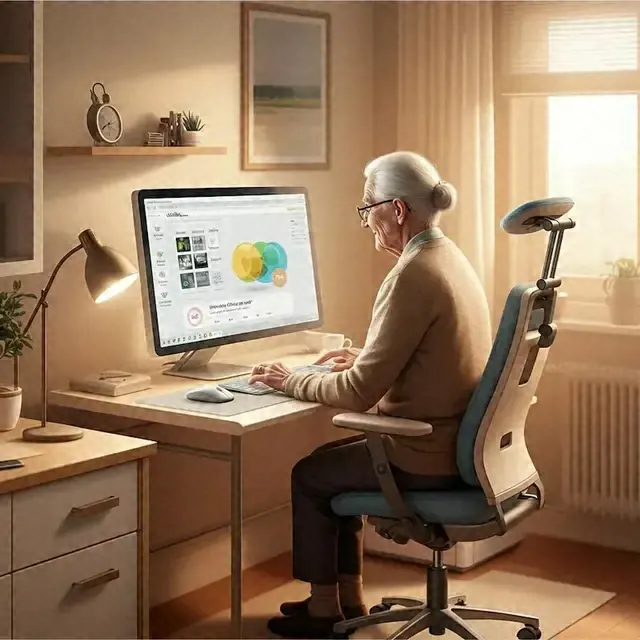
Computer Vision Syndrome in Seniors: How to Protect Your Eyes
Computer vision syndrome in seniors causes tired, dry eyes and headaches. Learn the signs and 7 simple ways to protect your eyes from screen strain.

Eye Exams After 60: Why They Could Save Your Vision
Eye exams after 60 help find cataracts, glaucoma and macular degeneration early. See 4 common conditions, what to expect and 5 tips for healthy eyes.
Make time for your eyes. We’ll make you feel right at home.
Request an eye examOr call (352) 399-5412
Accessibility