

Seasonal Eye Allergies in Florida: Relief for Villagers’ Itchy Eyes
Seasonal eye allergies in Florida explained: causes, symptoms, 5 simple lifestyle tips and eye drops for relief, plus when to see a doctor.
Dry eye treatment in The Villages, FL: learn why dry eye is common after 55, its symptoms and causes, and 7 ways to find relief. Book an exam today.
By HindSight Eye CareEye Health
Medical review pending Updated
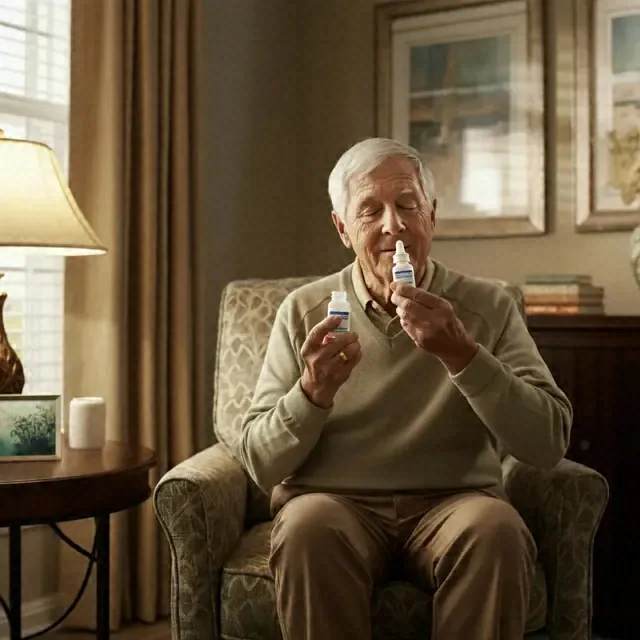
Dry eye treatment can bring real relief from gritty, itchy and tired eyes. Many adults age 55 and older in The Villages, Florida, live with dry eye without knowing help is available.
This guide explains the causes, the symptoms and the treatment options.
Dry eye syndrome, also called dry eye disease, is a common condition. It happens when your tears cannot keep your eyes wet enough.
Either you do not make enough tears, or your tears dry up too fast. Without enough moisture, your eyes may feel gritty, irritated or tired.
Tear production drops as you age. Also, some health conditions and medicines make the problem worse.
Florida’s sun and wind can speed up tear evaporation too. Millions of U.S. adults have dry eye, and it is especially common in older adults.
Dry eye can get in the way of daily life. Common signs include:
Itchiness: Your eyes feel itchy most of the time.
Grittiness: It feels like you have sand in your eyes.
Burning or stinging: This may get worse as the day goes on.
Light sensitivity: Even moderate sunlight may feel too bright.
Redness or irritation: Dry eyes can look redder than usual.
Blurry vision: Changes in moisture can affect your focus for a short time.
If you have these symptoms, an exam can find the cause and start a dry eye treatment plan. Book your eye exam with us.
These are the most common causes.
Aging and hormones. Aging lowers tear production.
Hormone changes, especially after menopause, can add to it. Many people in their 50s, 60s and 70s notice this.
Environment. Sun, outdoor activity and air conditioning can also make tears evaporate faster.
Medicines. Some medicines, such as antihistamines, blood pressure pills and antidepressants, can dry the eyes.
Health conditions. Diabetes, arthritis and thyroid problems can play a role.
Screen time. Long hours on devices make you blink less, which causes strain and dryness.
Try the 20-20-20 rule, adjust screen brightness and drink water. See computer vision syndrome.
Other eye conditions. Cataracts can occur along with dry eye, especially during treatment. See the National Institutes of Health site for more on eye health.
An eye exam is the best way to find the cause of your dry eye syndrome. Our complete eye exam is a good start.
Your doctor may suggest one or more of these dry eye treatment options.
1. Preservative-free artificial tears.
These over-the-counter drops add moisture. Drops without preservatives are gentler if you use them every day.
2. Prescription eye drops.
Medicines like cyclosporine or lifitegrast reduce inflammation and help you make more tears. They treat the root cause as well as the symptoms, so they can work longer.
3. Lipid-based drops.
Some dry eye comes from poor-quality tears. Lipid-based drops help balance the tears and slow evaporation.
4. Lid care and warm compresses.
If meibomian gland dysfunction (MGD) is the cause, clean your eyelids often and use warm compresses. This can help the glands make oil.
5. Punctal plugs.
This simple procedure blocks the tear drains so your eyes keep more moisture. Plugs can help when your dryness is severe.
6. Specialty contact lenses. Scleral lenses and moisture-retaining contacts protect your eyes and boost hydration.
They help when you also need vision correction. Read about contact lenses and specialty contact lenses.
7. Lifestyle changes.
Drink water, wear wraparound sunglasses outdoors and use a humidifier at home.
Your plan should fit Florida’s climate and your lifestyle. What works in a cold climate may not work here, so ask us. For more, read about dry eye syndrome in older adults.
An exam with a local eye doctor can help you:
At Hindsight Eye Care, we treat dry eye for adults in The Villages, and we know how Florida’s climate plays a part.
Together, we will find a plan that fits you. You can contact us to set up a visit.
Dry eye can wear on your mood, your work and your free time. Many treatments are available.
For residents of The Villages, dry eye treatment starts with one appointment. Ask us about preservative-free drops, punctal plugs or specialty lenses, or call (352) 399-5412 to book.
Written and published by HindSight Eye Care on December 1, 2025. This article is general information, not medical advice. Please talk with your eye doctor about your own care.
Want to know more? These independent eye health groups explain the topics on this page, starting with National Eye Institute. Each link opens in a new tab.
Seasonal Eye Allergies in Florida: Relief for Villagers’ Itchy Eyes
Seasonal eye allergies in Florida explained: causes, symptoms, 5 simple lifestyle tips and eye drops for relief, plus when to see a doctor.

Computer Glasses: Why Villagers Should Consider Blue Light Protection
Computer glasses can ease tired, dry eyes from screens. Learn 3 key features, if you need a special prescription and 4 habits to cut eye strain.
Night Vision Problems: Why They Get Worse with Age and What You Can Do
Night vision problems often get worse with age. Learn 4 common causes, from cataracts to dry eyes, and simple steps to see better after dark.
Make time for your eyes. We’ll make you feel right at home.
Request an eye examOr call (352) 399-5412
Accessibility