
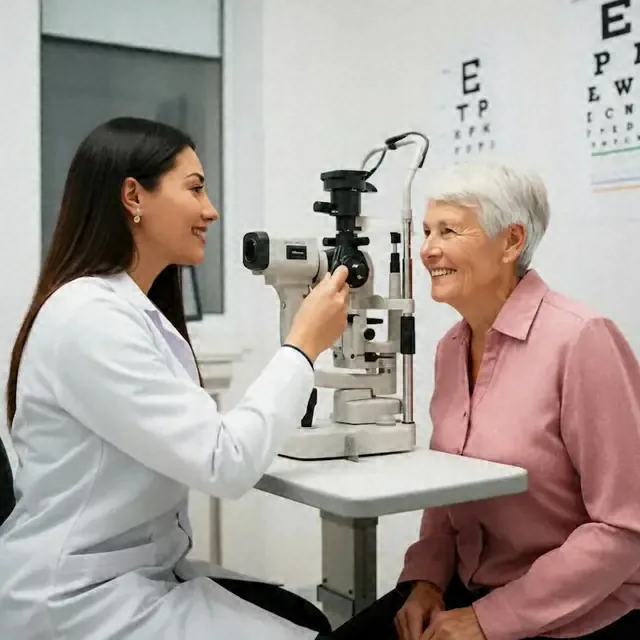
Glaucoma Screening After 60: Get Checked Before It’s Too Late
Glaucoma screening in The Villages: who is at risk after 60, what happens during a screening and how often to go. Book your simple exam today.
How often should you get a senior eye exam in The Villages? See the simple guide by age, the conditions exams catch early, and tips to choose a provider.
By HindSight Eye CareEye ExamsSenior Eye Care
Medical review pending Updated
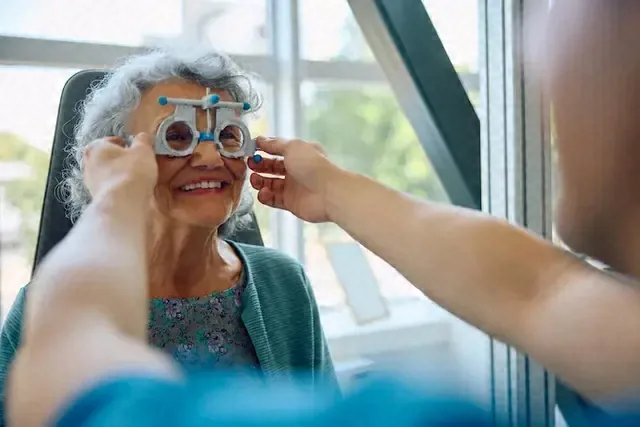
A regular senior eye exam protects your sight as you age, catching problems like cataracts and glaucoma early. How often you should go depends mostly on your age.
This guide gives the usual schedule by age and tips for choosing a provider in The Villages.
Your eyes change with age, like the rest of your body. Some changes are normal, and others are early signs of disease, so a senior eye exam belongs in your routine health care.
Catch eye diseases early. Glaucoma and age-related macular degeneration often develop without symptoms. A routine exam can find them before they cause serious damage.
Glaucoma: It is often called the “silent thief of sight.” Without early detection, it can lead to blindness that cannot be reversed. See our glaucoma screening page.
Cataracts: The lens of the eye clouds with age. Exams help monitor how fast it changes. See our page on cataracts for adults.
Diabetic retinopathy: Diabetes raises your risk of eye problems. An exam can find early changes to help prevent vision loss. Read about a diabetic eye exam.
Track vision changes. Maybe a menu is harder to read in dim light, or street signs look blurry.
Regular exams keep your prescription current. Browse our eyeglasses for every prescription and lifestyle.
Prevent falls. Poor vision can affect balance and mobility, which raises the risk of falls. A senior eye exam might help you avoid a trip to the emergency room.
How often depends on your health, family history, and any eye conditions. Use these general guidelines:
Ages 55 to 64: Every 1 to 2 years, if you have no symptoms or risk factors.
Ages 65 and older: Every year, even if your vision seems fine.
Higher risk: If you have diabetes, high blood pressure, or a family history of glaucoma, you may need exams more often. Your eye doctor will advise you.
The American Optometric Association says yearly complete exams matter for adults 65 and older. Find out more from the AOA. You can also read about when you should have an eye exam.
Cataracts: The lens becomes cloudy, so seeing clearly is harder. Cataracts are a leading cause of vision loss, but surgery can treat them, and doctors consider cataract surgery safe for most people.
Glaucoma: It slowly damages the optic nerve, often with no symptoms until vision is lost. Tests of eye pressure and the optic nerve help find it early.
Age-related macular degeneration (AMD): It affects central vision, so reading and recognizing faces get harder. Early detection can help slow it down.
Dry eye: It is common but treatable. It can cause irritation, redness, and blurry vision. See our dry eye treatment and this overview of dry eye on All About Vision.
Diabetic retinopathy: High blood sugar can harm the retina and blur vision.
Between exams, these habits help:
Wear sunglasses that block 100 percent of UV rays.
Eat well. Foods rich in omega-3 fats, lutein, and vitamins C and E support eye health.
Stay active. Exercise supports your overall health, which helps your eyes.
Stay hydrated. Drinking enough water may ease dry eyes.
Do not smoke. Smoking raises the risk of macular degeneration and cataracts.
Take screen breaks. Use the 20-20-20 rule: every 20 minutes, look 20 feet away for 20 seconds.
Who you see matters as much as how often. Look for these things:
Meet our eye care team, then book your eye exam at Hindsight Eye Care. Your next senior eye exam is one phone call away.
Written and published by HindSight Eye Care on July 15, 2025. This article is general information, not medical advice. Please talk with your eye doctor about your own care.
Want to know more? These independent eye health groups explain the topics on this page, starting with National Eye Institute. Each link opens in a new tab.
Glaucoma Screening After 60: Get Checked Before It’s Too Late
Glaucoma screening in The Villages: who is at risk after 60, what happens during a screening and how often to go. Book your simple exam today.

Eye Exams After 60: Why They Could Save Your Vision
Eye exams after 60 help find cataracts, glaucoma and macular degeneration early. See 4 common conditions, what to expect and 5 tips for healthy eyes.
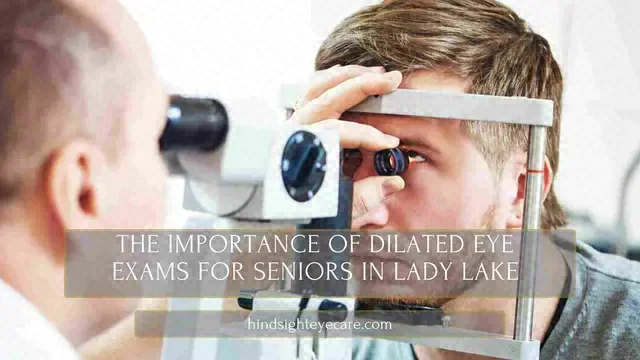
The Importance of Dilated Eye Exams for Seniors in Lady Lake
Dilated eye exams help seniors in Lady Lake find eye disease early. See 4 steps of the exam, the key benefits and how often to go. Book your exam today.
Make time for your eyes. We’ll make you feel right at home.
Request an eye examOr call (352) 399-5412
Accessibility